



Our response to climate crises
In addition to socioeconomic instability, high levels of poverty and malnutrition, Afghanistan is among the countries most vulnerable and least prepared to adapt to climate change (Notre Dame Global Adaptation Index).
Last year alone, the country experienced major swings in extreme weather conditions; including severe droughts, flash flooding and devastating earthquakes that claimed tens of thousands of lives, injured hundreds of thousands more, and exposed millions to critical losses in livelihoods and assets.
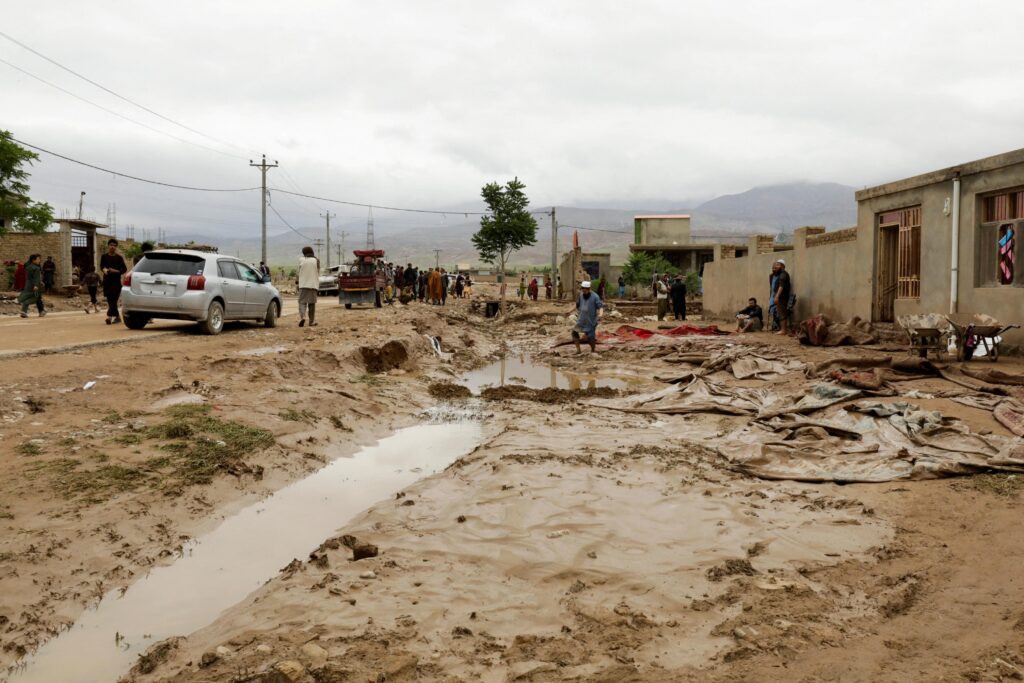
In May 2024, multiple districts in Afghanistan’s Baghlan province were devastated by heavy rains and flash flooding.
Three hundred people were killed, 1,600 were injured, thousands of families were displaced, and entire communities were destroyed. Thousands of homes were also damaged, along with roads, agricultural land and critical infrastructure. Islamic Relief teams in Afghanistan responded with urgency, assessing immediate and longer term, and providing humanitarian aid.
When deadly earthquakes struck the country towards the end of 2024, our Health Team, based in Herat, travelled to earthquake-affected areas to provide primary health assistance, medicine and counselling. We conducted needs assessments and worked closely with other responders and non-profit organisations, to explore joint response opportunities. In addition to health services, our teams distributed tents, non-food items and cash vouchers to those most affected.