



Afghanistan Emergency


Urgent appeal to support survivors of Afghan Earthquake
Close to 2,000 people have been confirmed dead and over 3,600 injured after a 6.0-magnitude earthquake struck eastern Afghanistan in early September.
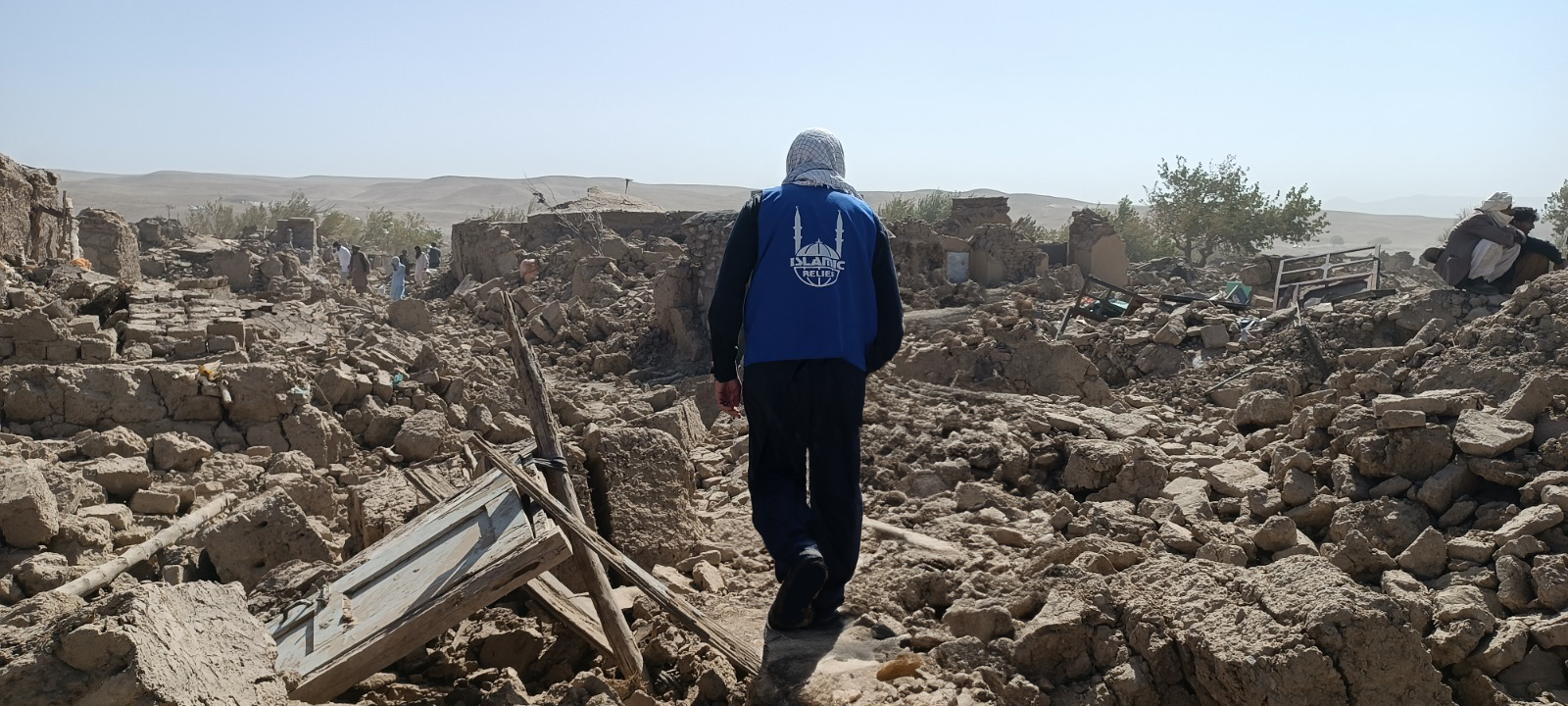
Most families were asleep when the quake struck around midnight local time in Kunar province. Children described waking in terror as homes collapsed around them, and families fled in panic to try and find safety. Multiple aftershocks after the initial quake also caused significant damage.
The impact of the quake was particularly severe as the earthquake was very shallow, just 5 miles (8 kilometres) below the surface of the earth.
The earthquake struck a remote and mountainous region of Afghanistan, meaning the severe damage caused had a devastating effect and affected more than 498,000 people.
Our response to the climate crises
Just hours after the earthquake struck, Islamic Relief deployed an emergency health team to provide critical services to survivors. We are providing essential health services including mother and child healthcare, treatment of injuries, nutritional support, and trauma counselling.
To date, we have reached more than 141,000 with life-saving aid.
Islamic Relief has worked in Afghanistan for over 20 years. In 2024, we supported more than 636,000 people in 20 of the country’s 34 provinces, providing aid including food, nutrition, healthcare, education and sustainable livelihoods.
In the earthquake-affected provinces of Kunar and Nangarhar we support farmers to improve agricultural production and help small businesses to thrive. Islamic Relief has also provided support in response to the earthquakes in Paktika and Herat.
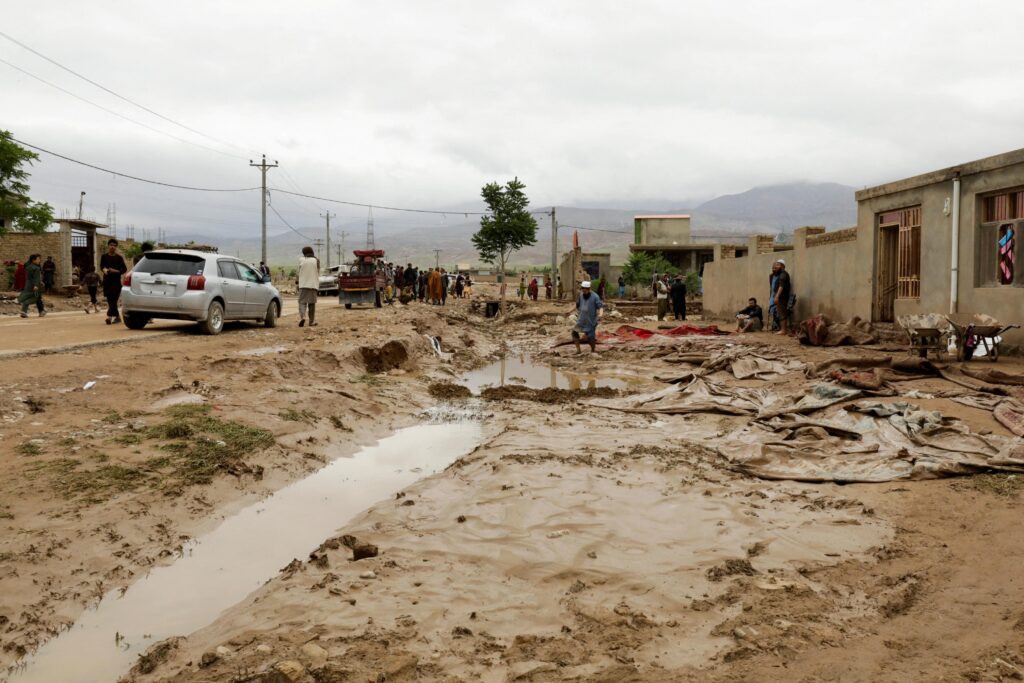
This earthquake comes as people in Afghanistan are already struggling to cope with widespread drought and the impact of global cuts to humanitarian aid, which have resulted in the closure of essential services such as health facilities and nutrition centres.
20+ years of commitment to Afghans
Islamic Relief has worked in Afghanistan for over 20 years. Last year we supported more than 636,000 people in 20 of the country’s 34 provinces, providing aid including food, nutrition, healthcare, education and sustainable livelihoods.
In the earthquake-affected provinces of Kunar and Nangarhar we support farmers to improve agricultural production and help small businesses to thrive. Islamic Relief has also provided support in response to the earthquakes in Paktika and Herat.
We remain committed to helping to ensure the efficient provision of humanitarian aid and unrestricted, prompt, secure and unimpeded access for all humanitarian personnel, in accordance with international law.
Through our regional offices in Kabul, Balkh, Herat and Nangarhar, we provide:
- Food aid, including packages containing staple items like flour, rice, oil and sugar
- Clean water for vulnerable families including those dwelling in caves in the Bamyan province
- Healthcare support and the provision of medicine
- Access to education for women and young girls
- Orphan support and vocational training for female-headed households
- Winter aid
- Essential non-food items, including hygiene kits, household items and clothes
- Emergency equipment, like family-sized tents
With your support, we will continue to provide lifesaving aid to the people of Afghanistan, with particular focus on bringing relief to displaced families.