

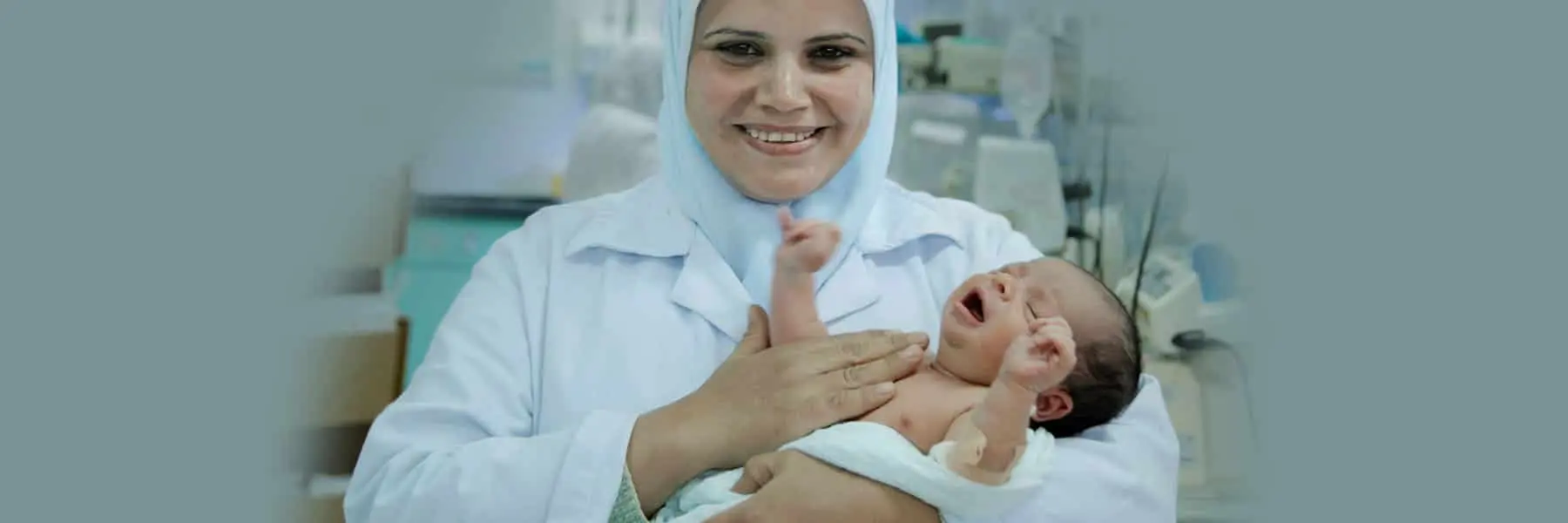
Access to healthcare is not a privilege. It is a fundamental human right. Yet for more than one in seven people in the developing world, that right remains out of reach. Preventable diseases go untreated, children suffer from malnutrition, mothers die in childbirth, and entire communities are trapped in poverty because illness and injury have no affordable remedy.
Islamic Relief South Africa works alongside Islamic Relief Worldwide to address this reality. We fund and deliver health programmes that reach the most vulnerable communities, from mobile clinics in remote areas to emergency medical support in active conflict zones. Our approach is holistic: we do not simply treat illness, we work to prevent it, and to build the health infrastructure that communities need to sustain themselves long into the future.

And from the fruits of date palm and grapes you get wholesome drink and nutrition: Behold in this is a sign for those who are wise.
Quran, 16:67
The Scale of the Health Crisis
The global health crisis disproportionately affects the world’s poorest communities. In low-income countries, infectious diseases remain the leading cause of death, healthcare infrastructure is severely under-resourced, and the cost of treatment pushes millions deeper into poverty every year. The figures below, drawn from Islamic Relief UK’s published data, reflect the scale of the challenge.
1 in 7
people in developing countries struggle to access basic healthcare
1 in 10
women in the poorest countries can die in childbirth due to inadequate care
100M+
people are pushed into extreme poverty each year due to healthcare costs
2.3M
children die each year from vaccine-preventable diseases
How Islamic Relief Supports Healthcare
Since 1984, Islamic Relief has been delivering essential health and medical services to over 2.2 million people across 22 countries. Our approach goes beyond treating individual patients. We address the systemic causes of poor health: lack of infrastructure, inadequate nutrition, poor hygiene practices, and the psychological trauma caused by conflict and displacement.
Mobile Health Clinics
In remote and underserved areas where permanent healthcare facilities do not exist, we deploy mobile health clinics that bring doctors, nurses, and essential medicines directly to communities. These clinics provide primary care, maternal health services, and treatment for common illnesses to people who would otherwise have no access to medical attention.
Paediatric Healthcare
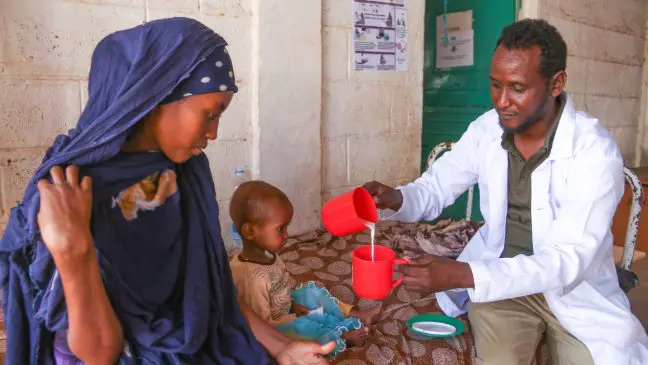
Children in conflict zones and low-income communities are among the most vulnerable to preventable illness and malnutrition. We fund paediatric healthcare programmes that provide treatment for malnourishment, vaccinations, and essential medical care to children who need it most, protecting both their immediate health and their long-term development.
Maternity Centres
Maternal mortality remains tragically high in many of the countries where we work. We fund and support maternity centres that provide safe, professional care to mothers before, during, and after childbirth. These centres save lives and give children the healthiest possible start in life.
Cataract Surgery
Cataracts are the leading cause of preventable blindness worldwide, yet the surgery to treat them costs very little. We fund cataract surgery programmes that restore sight to people who have been living with preventable blindness, transforming their ability to work, care for their families, and participate fully in their communities.
Dialysis Support
For patients with chronic kidney disease in conflict-affected or low-income countries, access to dialysis can mean the difference between life and death. We fund dialysis support programmes that ensure patients receive the regular treatment they need, even in the most challenging circumstances.
Emergency Medical Equipment
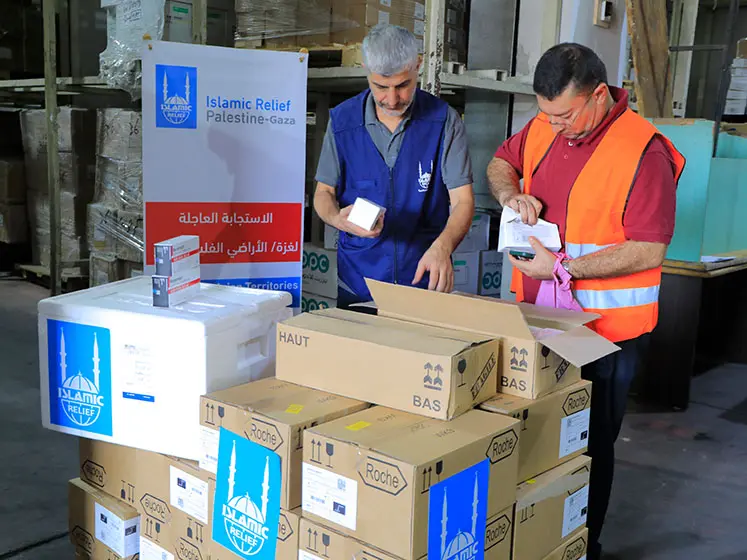
When crises strike, hospitals and clinics are often overwhelmed and under-equipped. We supply emergency medical equipment to healthcare facilities in crisis zones, ensuring that medical teams have the tools they need to save lives under the most difficult conditions.
Nutrition and School Meals
Malnutrition is both a cause and a consequence of poor health. We educate communities on nutrition, provide school meals to prevent child malnutrition, and support programmes that address the root causes of food insecurity, protecting children’s physical and cognitive development.
Psychosocial Support
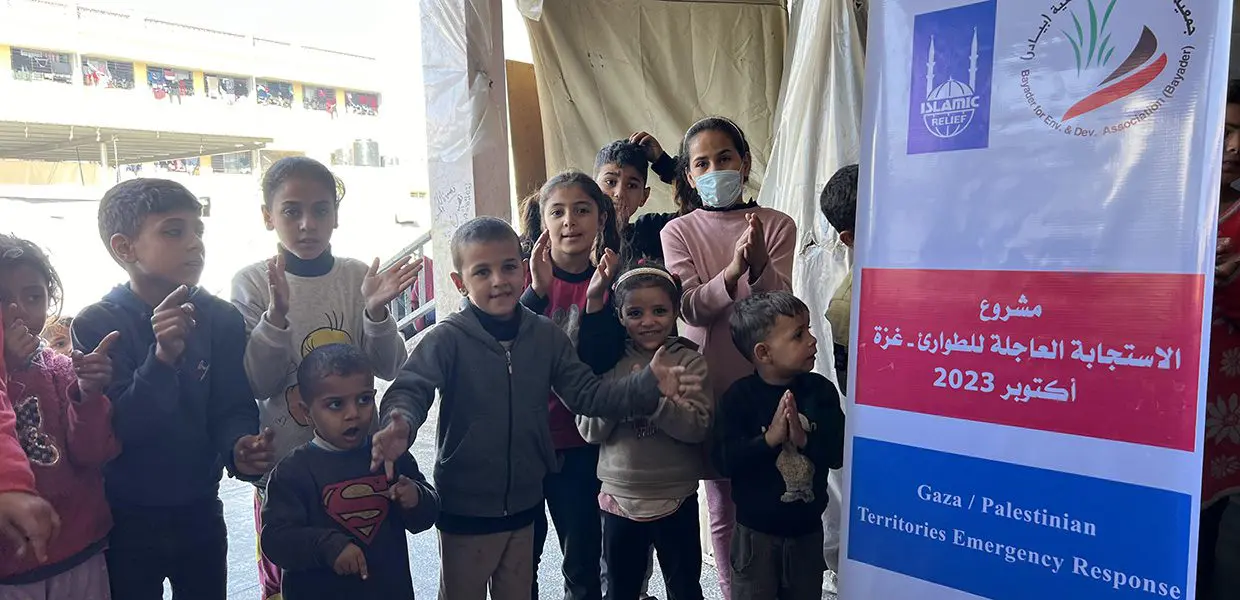
The trauma of conflict, displacement, and loss has a profound impact on mental health. We provide psychosocial care, therapy, and counselling to individuals and communities affected by crisis, with a particular focus on children who have experienced violence and displacement.
Healthcare in Crisis Zones
Some of the most urgent health needs exist in active conflict zones, where hospitals are overwhelmed, medical supplies are depleted, and vulnerable populations have nowhere else to turn. Islamic Relief teams have been on the ground in Gaza, Sudan, Syria, and across the region, providing life-saving medical aid and psychosocial support to those who need it most.
Since 1984, Islamic Relief has delivered essential health and medical services to over 2.2 million people across 22 countries. Your donation continues that work.
What Islam Teaches About Health and Healing
Islam places the preservation of life among the five essential objectives of Islamic law, alongside the protection of faith, intellect, lineage, and wealth. The preservation of health is therefore not merely a practical concern but a religious obligation. The Quran reminds us that all healing ultimately comes from Allah alone.
And when I am ill, it is He who cures me.
Surah Ash-Shu’ara, 26:80
Donating to healthcare is one of the most direct ways to fulfil the Islamic obligation to preserve life. When your donation funds a mobile clinic that reaches a remote village, or a cataract surgery that restores a person’s sight, or emergency medical equipment that allows a doctor to save a life, you are participating in the preservation of one of Islam’s most sacred trusts. And because the health infrastructure we build continues to serve communities long after the donation is made, many health donations carry the qualities of Sadaqah Jariyah.
There emerges from their bellies a drink, varying in colors, in which there is healing for people.
Surah An-Nahl, 16:69
Frequently Asked Questions
Can I use my Zakat to support health and medical programmes?
Yes. Zakat may be given to the poor and the needy, which are among the eight categories of eligible Zakat recipients defined in the Quran (Surah At-Tawbah, 9:60). Health programmes that directly benefit individuals who qualify as poor or needy are eligible to receive Zakat funds. When your Zakat funds a mobile health clinic that serves an impoverished community, or paediatric care for a malnourished child, it is fulfilling both its financial and humanitarian purpose. Islamic Relief South Africa ensures that Zakat is directed only to eligible recipients. Please contact our Donor Care team on 021 696 0145 if you would like to confirm eligibility for a specific programme.
Does donating to healthcare count as Sadaqah Jariyah?
In many cases, yes. When a donation funds a piece of medical equipment that is used for years, or a maternity centre that serves thousands of mothers over time, the benefit of that donation continues long after it was made. Islamic scholars have affirmed that any charity whose benefit continues after the donor’s death qualifies as Sadaqah Jariyah. A donation that builds lasting health infrastructure, or that trains a community health worker who goes on to serve their community for decades, is a powerful example of ongoing charity whose reward continues to reach the donor as a lasting Sadaqah Jariyah.
Which countries does Islamic Relief’s health programme operate in?
Islamic Relief delivers health programmes across 22 countries, including Gaza, Syria, Sudan, Yemen, Somalia, Afghanistan, Pakistan, and Ethiopia, among others. Programmes are designed to meet the specific health needs of each community and country context, ranging from emergency medical support in active conflict zones to long-term primary healthcare infrastructure in low-income communities. Donations made to our Health and Medical fund may be used in any of the countries where Islamic Relief has a presence, directed to where the need is greatest.
What is the difference between emergency medical aid and long-term health programmes?
Emergency medical aid responds to immediate crises: conflict, natural disasters, or disease outbreaks. It includes supplying hospitals with medicines and equipment, deploying emergency medical teams, and providing urgent treatment to casualties. Long-term health programmes address the structural causes of poor health: building clinics and maternity centres, training community health workers, running nutrition programmes, and delivering preventive healthcare. Islamic Relief runs both, because both are necessary. Emergency aid saves lives today, while long-term programmes prevent the next emergency from occurring.
How does Islamic Relief support mental health and psychosocial wellbeing?
Islamic Relief recognises that health is not only physical. The trauma caused by conflict, displacement, bereavement, and loss has a profound and lasting impact on mental health, particularly for children. We provide psychosocial support programmes that offer therapy, counselling, and structured activities to help individuals and communities process trauma and rebuild their sense of safety and stability. In Gaza, we have been providing psychosocial support to displaced children affected by the ongoing conflict. In other contexts, we work with communities to build long-term mental health resilience alongside physical health infrastructure.
How much does a cataract surgery cost and how does it change a person’s life?
Cataract surgery is one of the most cost-effective medical interventions in the world. A single surgery can restore a person’s sight permanently, at a fraction of the cost of many other medical procedures. For the person receiving it, the impact is transformative. Blindness caused by cataracts prevents people from working, caring for their families, and participating in daily life. Restoring their sight restores their independence, their livelihood, and their dignity. Your donation to our cataract surgery programme can give someone back the ability to see the faces of their children, to work, and to live fully.
How does Islamic Relief address child malnutrition?
Approximately 70 million children globally are at risk of physical and cognitive developmental harm due to malnutrition. Islamic Relief addresses this through a combination of direct treatment and prevention. We fund treatment centres for children suffering from severe acute malnutrition, provide therapeutic food and medical care, and run school meal programmes that ensure children receive adequate nutrition during the school day. We also educate families on nutrition and work to address the food security conditions that cause malnutrition in the first place. Our approach recognises that treating a malnourished child today, without addressing the conditions that caused their malnutrition, is not enough.
Is my donation to health programmes tax deductible in South Africa?
Yes. Islamic Relief South Africa is a registered Section 18A organisation (NPO 043-357-NPO). All qualifying donations are tax deductible under South African law. Upon request, we will issue you with a Section 18A tax certificate that you can submit to SARS when filing your annual tax return. Please ensure you provide your full name, ID number or tax number, and email address when making your donation so that we can issue your certificate promptly.
How much of my donation reaches health programmes?
According to our published figures, 86 cents of every rand donated reaches the people we serve. The remainder covers essential operational costs including field staff salaries, logistics, monitoring and evaluation, and organisational administration. These costs are necessary to ensure that programmes are delivered effectively, safely, and accountably. We are committed to transparency in how your donations are used, and we publish annual impact reports that detail our programme expenditure and outcomes.
How do I donate to health and medical programmes?
You can donate to our health and medical programmes in the following ways:
Bank Transfer: Standard Bank | Account Name: Islamic Relief SA | Branch: Fordsburg | Branch Code: 005205 | Account No: 005318459 | Swift: SBZAZAJJ | Reference: Health + your mobile number.
Online: Visit donate.islamic-relief.org.za and select the Health fund.
Phone: Call us on 021 696 0145 or toll-free on 0800 111 898 and our Donor Care team will assist you.
Email: Send your query to info@islamic-relief.org.za and we will get back to you promptly.