



Earthquake kills hundreds in Afghanistan
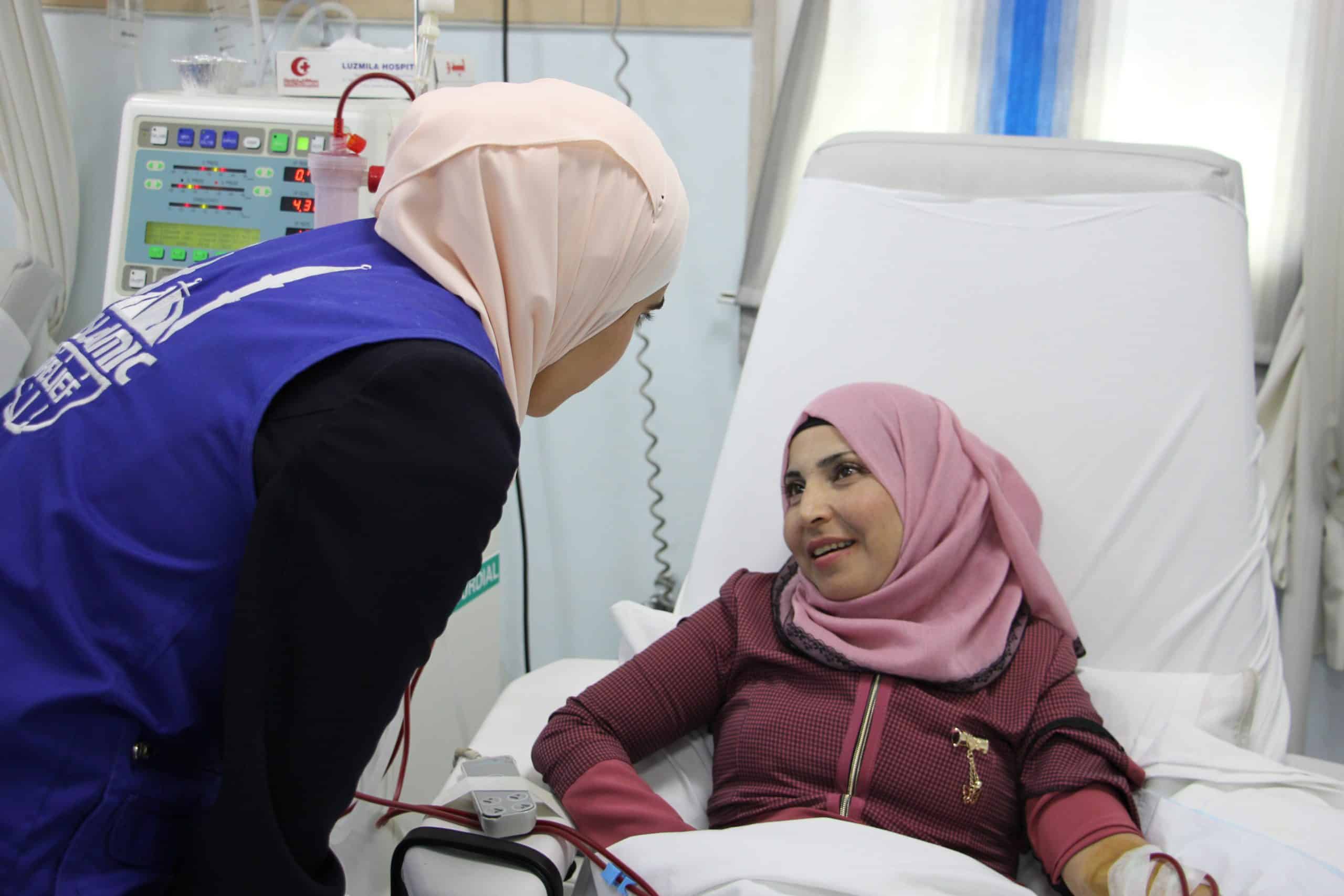
Islamic Relief has deployed an emergency health team to provide critical services to survivors of an earthquake in eastern Afghanistan that has killed more than 600 people, injured an estimated 2,500 more, and has wiped out entire villages. The number of people impacted continues to rise as rescue teams reach more areas.
The 6.0 magnitude earthquake struck Kunar province on 31 August 2025, at around midnight local time, when most families were asleep. Aftershocks continued through the night.
Many of the worst-affected areas are remote and mountainous regions. Roads have been blocked by landslides and rescuers are forced to reach some of the worst-hit villages by foot, or evacuate casualties by helicopter.
Islamic Relief’s teams are particularly responding in areas of Kunar province to provide essential health services; including mother and child healthcare, treatment of injuries, nutrition and trauma support.
The disaster comes as people in Afghanistan are already struggling to cope with widespread drought and the impact of global cuts to humanitarian aid, which have resulted in the closure of essential services such as health facilities and nutrition centres. Services in the country are also overwhelmed by the massive influx of Afghan returnees who have been ordered to leave Iran and Pakistan. More than 2.4 million people have returned this year and many have arrived in poor health and without anywhere to live. Islamic Relief has been supporting returnees when they arrive.
India-Pakistan tensions rise
Tensions between India and Pakistan have reached a critical juncture following the 22 April 2025 Pahalgam attack in Indian-administered Kashmir that killed 26 civilians and injured dozens.
On 7 May, India’s Operation Sindoor missiles struck sites, including civilian infrastructure at multiple locations in Azad Jammu and Pakistan-Administered Kashmir and Punjab, which triggered a dangerous cycle of violence. Officials are reporting at least 31 civilian killings, including children, and 57 injuries.
Intermittent and indiscriminate firing, shelling and artillery exchanges along the Line of Control (LoC) and international border are causing further civilian casualties, injuries, damage of infrastructure, disruption in services, forcing of school closure and displacements. Several border towns were asked to turn off their lights at night and people have also been evacuated.
Though large-scale displacement has not yet occurred, our field teams have reported displacement of dozens of families relocating from villages and their local communities near the LoC, due to escalating tensions. Many of the displaced families are seeking shelter with their relatives in other Districts, while others have taken refuge in public schools in District Bagh, which have been designated as temporary camps by local authorities.
India has reported at least 16 casualties and over 32 people injured in Indian-Administered Kashmir.
Islamic Relief is on the ground assessing the needs of families displaced from Haveli Kahota and the suburbs of Muzaffarabad. Our immediate response includes the provision of food and other essentials, including health and hygiene supplies.
Myanmar
A 7.7 magnitude earthquake hit central Myanmar close to the city of Mandalay in the early hours of Friday, 28 March. A 6.4-magnitude aftershock followed shortly after. At least 3,649 people were killed and more than 5,000 people were injured.
Both Myanmar and the city of Bangkok in Thailand declared a state of emergency, with authorities in Myanmar requesting international assistance.
This crisis comes at a time when many humanitarian organisations operating in Myanmar have been impacted by sanctions-related funding cuts.
Islamic Relief is working closely with local partners to assess and respond to urgent needs within affected communities.
Syria
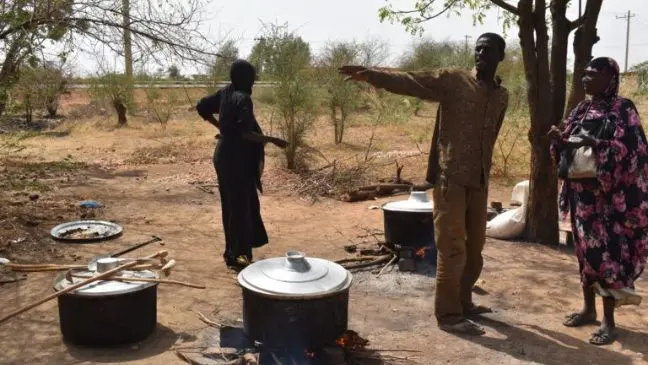
The humanitarian situation in Syria remains critical, with widespread urgent needs and deteriorated infrastructure, following 14 years of crisis. Health systems and education are in disarray, with millions of children out of school and hospitals operating at limited capacity.
- Nearly 15 million people require humanitarian health support.
- More than 13 million people face acute food insecurity.
- More than 7 million people remain displaced across the country.
Our team in Syria is working towards reshaping our humanitarian operations. Our far-reaching programming – which we are expanding to meet the rising demands – includes distributing much-needed food aid; supporting healthcare and education systems on the brink of collapse; and helping uprooted families survive the harsh winter weather.

Lebanon
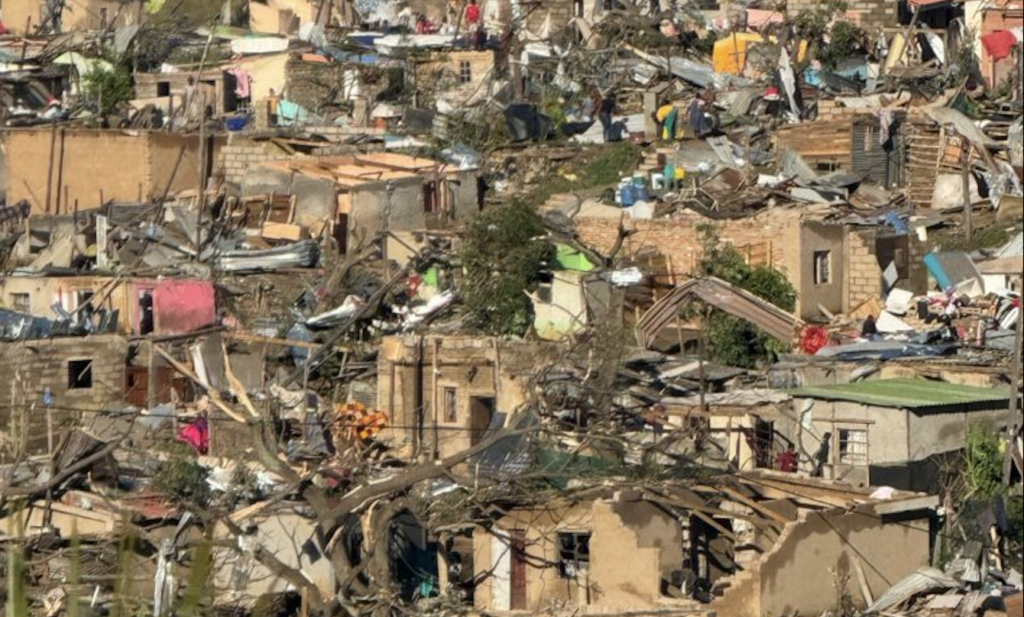
Since 8 October 2023, more than 4,000 people have been killed, including at least 300 children, and over 17,000 injured. More than 4,000 residential buildings have been destroyed, while 20,000 have been significantly damaged.
A sharp escalation in September 2024 saw more than one million people displaced as the humanitarian crisis deepened. While most people have now returned to their neighbourhoods since the ceasefire, almost 100,000 remain displaced. Many have found their homes destroyed and remain without adequate shelter.
Islamic Relief is supporting communities in need of food, bedding, medical supplies and other essentials. Our interventions have been particularly critical in the North, Beirut, Nabatieh, Tyre, Saida, Bekaa, Mount Lebanon and Baalbek, where there are large numbers of people in need of aid. So far, we have reached more than half a million people affected by this crisis – but many more urgently need help.
Palestine
Since October 2023, Israel has killed well over 62,000 Palestinians and has wounded 154,902 more. Following nearly two years of bombardment and six months of Israel’s total blockade on Gaza, famine has officially been declared in Gaza City.
According to Gaza’s Government Media Office, Israel is denying 1.1 million children access to the minimum nutritional requirements for their survival. Over 70,000 children in the enclave have been hospitalised due to severe malnutrition, more than 3,500 children under the age of five are at imminent risk of dying from starvation, and approximately 290,000 children are on the brink of death.
Hundreds of thousands of Palestinians in Gaza are surviving on just one meal every two to three days, according to UNRWA.
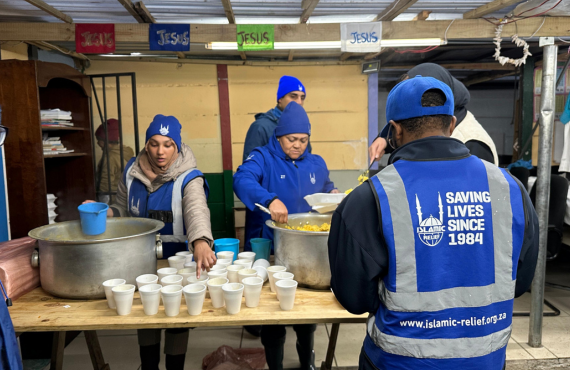
Islamic Relief teams and local partners have remained within Gaza throughout Israel’s assault. Our focus has been on providing emergency relief wherever possible, as we have done during all escalations since we began working in Gaza in 1997. However, our current ability to respond is being severely impacted by Israel’s total blockade.
We continue to advocate for the urgent entry of humanitarian aid and call on you to help us prepare to scale our provision of hot meals and other life-saving aid to the people of Gaza, as soon as the situation allows, Insha’Allah.
Sudan
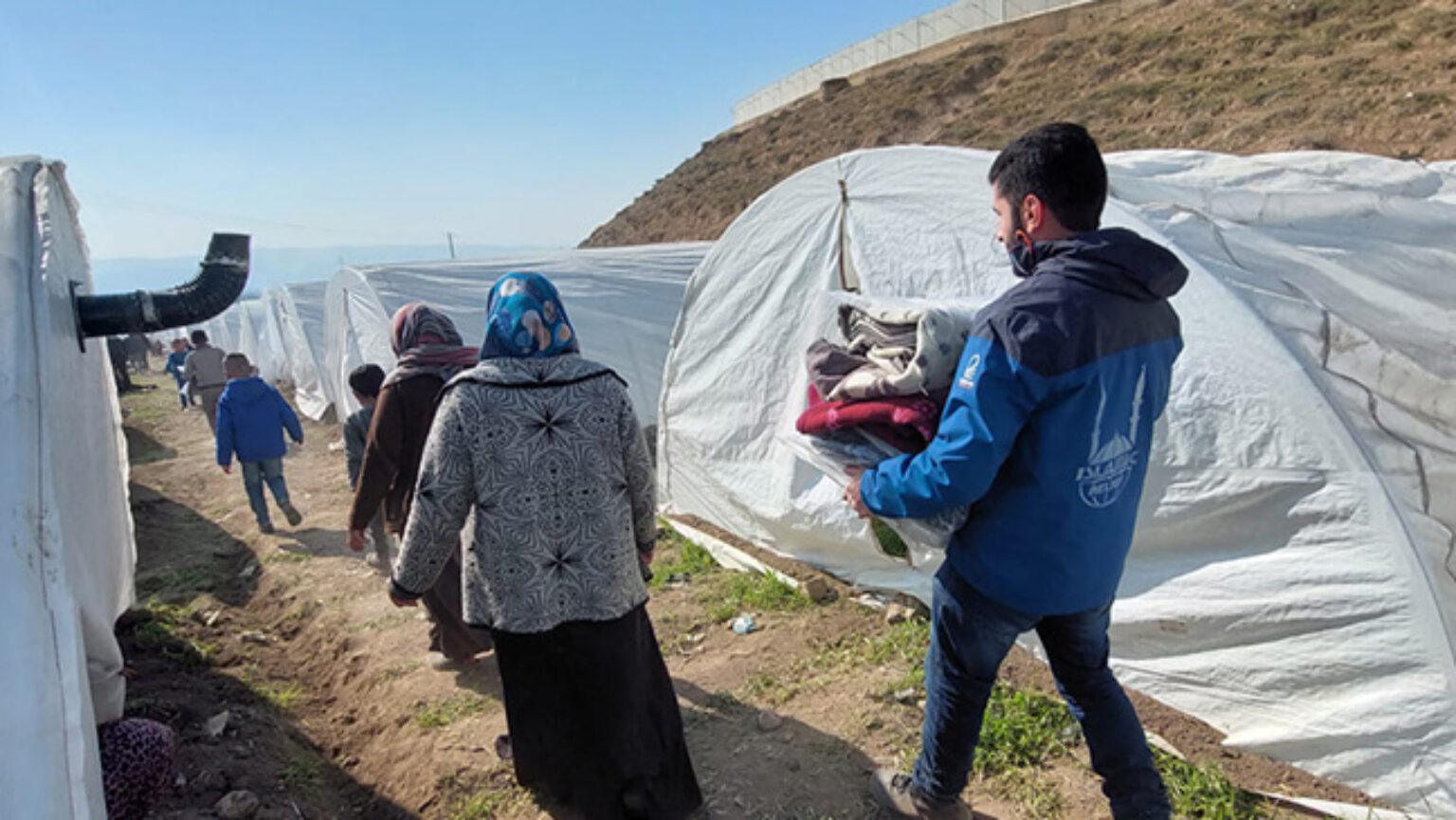
Recent ongoing conflict has transformed Sudan into one of the world’s worst humanitarian crises. More than 10 million people have fled their homes, 3.4 million children are suffering from malnutrition, 15,000 people have been killed, and 70% of healthcare facilities in Sudan have shut down.
Across the country, 17.7 million people are facing high levels of acute food insecurity, with 5 million people just one step away from famine. Food production has declined, transportation routes are disrupted, and as the economy continues to crumble, essential foods and commodities remain out of reach for many. Every day, another 30,000 people fall into crisis levels of food insecurity.
As fighting spread across the country, Islamic Relief has moved our main office several times to allow us to continue operating and supporting people in need in Sudan. Many of our staff have become displaced and are experiencing the same challenges as the communities we serve. And yet, they continue to work hard to reach the most vulnerable – distributing food, water, cash and temporary shelter, as well as other support to communities across the country.
Yemen
More than a decade of conflict has subjected the people of Yemen to physical danger, displacement, disease and hunger. Over 21.6 million people in Yemen are in desperate need of help, and more than half of them are children.
Nearly 80% of the population live below the poverty line, while 2.7 million women and 5 million children under five required treatment for acute malnutrition in 2024.
With your support, we are distributing food, clean drinking water and other essentials in 17 of the country’s 22 governorates. We have also established 167 health facilities across the country; are providing children with psychosocial support activities; ensuring water, sanitation and hygiene services; helping to lower malnutrition rates among children and mothers; delivering winter essentials, and supporting livelihoods.